A field-tested approach to drought-proof food systems.
Prototype Overview
Our prototype focuses on introducing drought-resistant cassava varieties in climate-vulnerable communities, combined with a micro-processing model that transforms cassava roots, leaves, and stems into high-value nutrition products. This section presents the progress, user testing outcomes, and validated learnings.
🌿 Cassava Benefits
Our drought-resistant cassava project maximizes the value of every part of the plant:
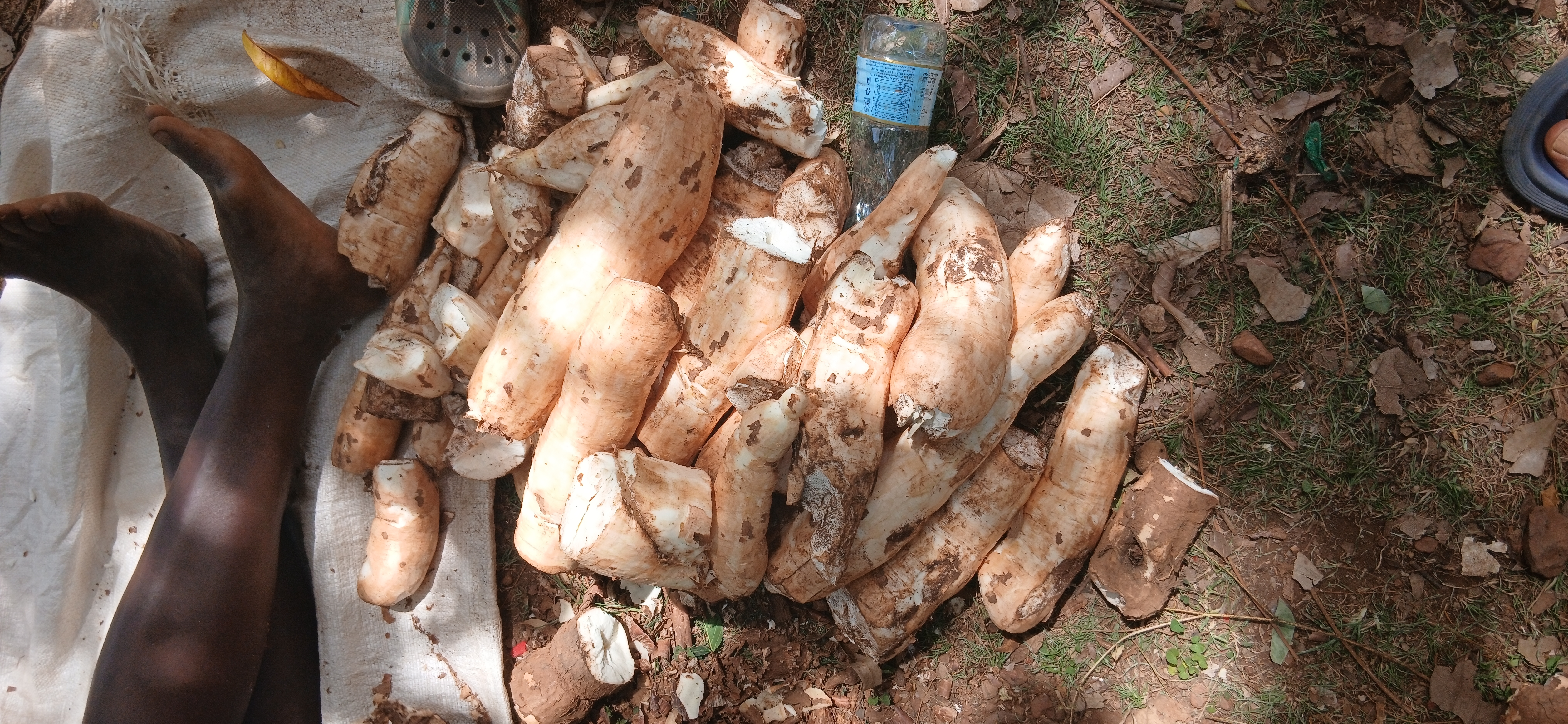
🍠 Tubers
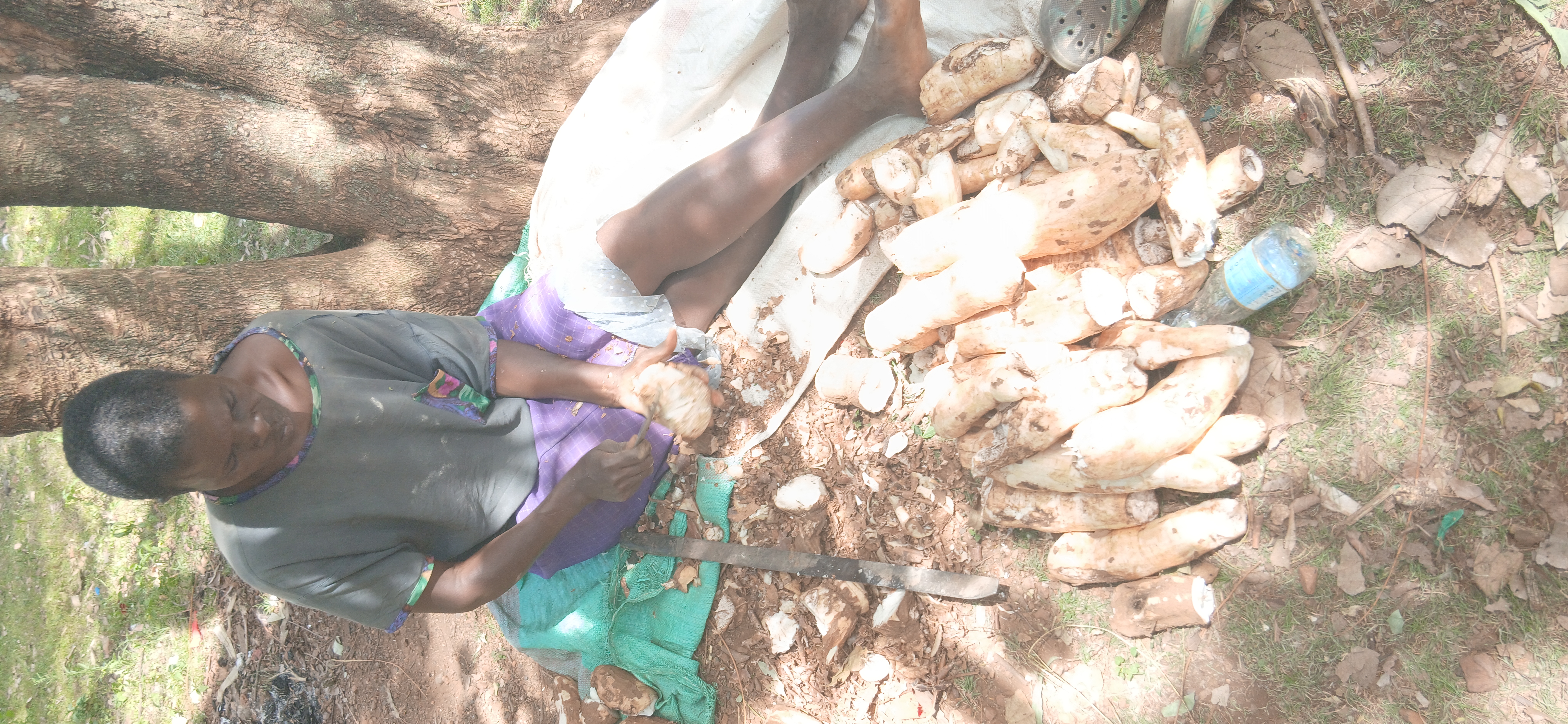
Processed into flour, chips, and other food products
Supports household food security
Creates income through local and regional sales
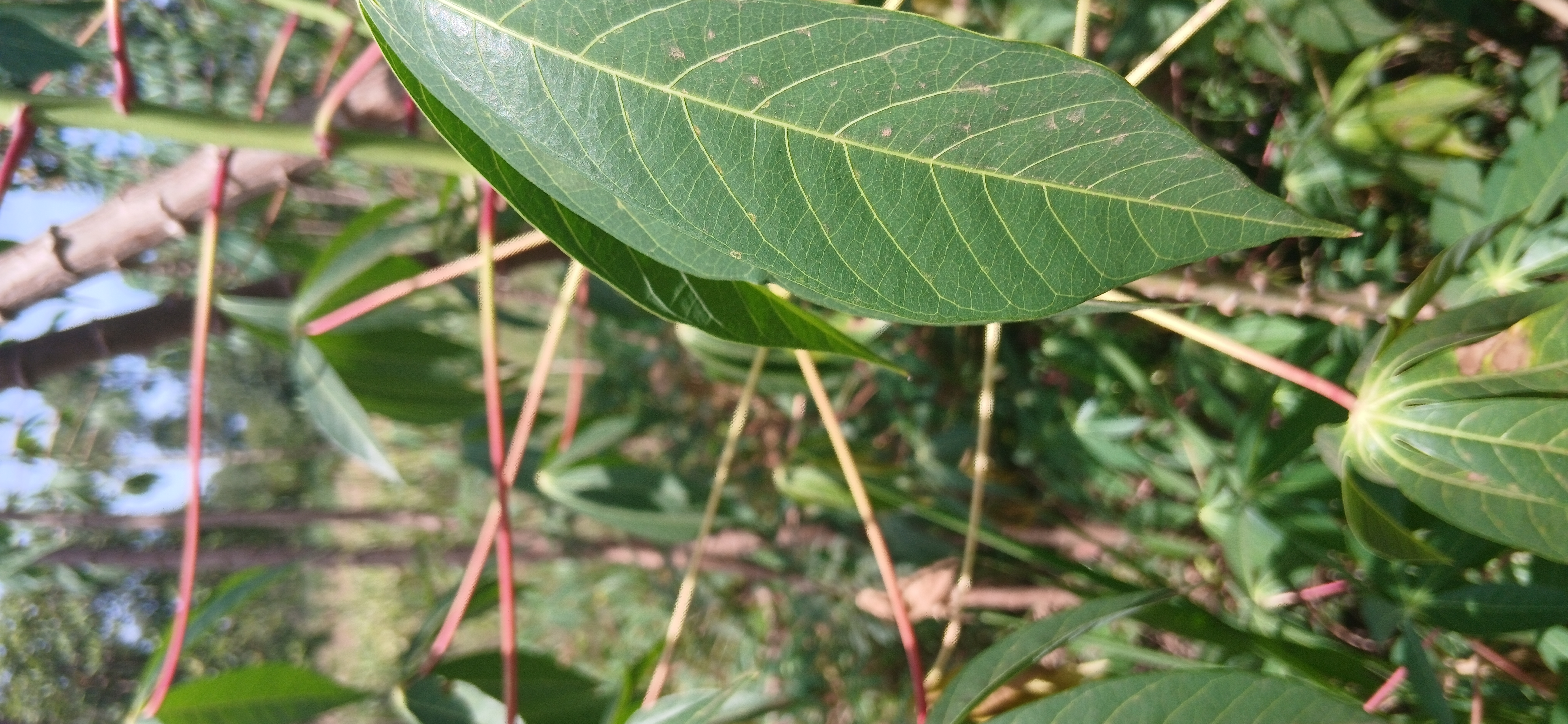
🌿 Leaves
Rich source of protein, vitamins, and minerals
Can be boiled, dried, or powdered for food supplements
Used as animal feed or compost
🌾 Stems
Used for propagation and planting new cassava crops
Provides mulching material to conserve soil moisture
Can be used as livestock feed or biomass energy
Progress & Field Activities
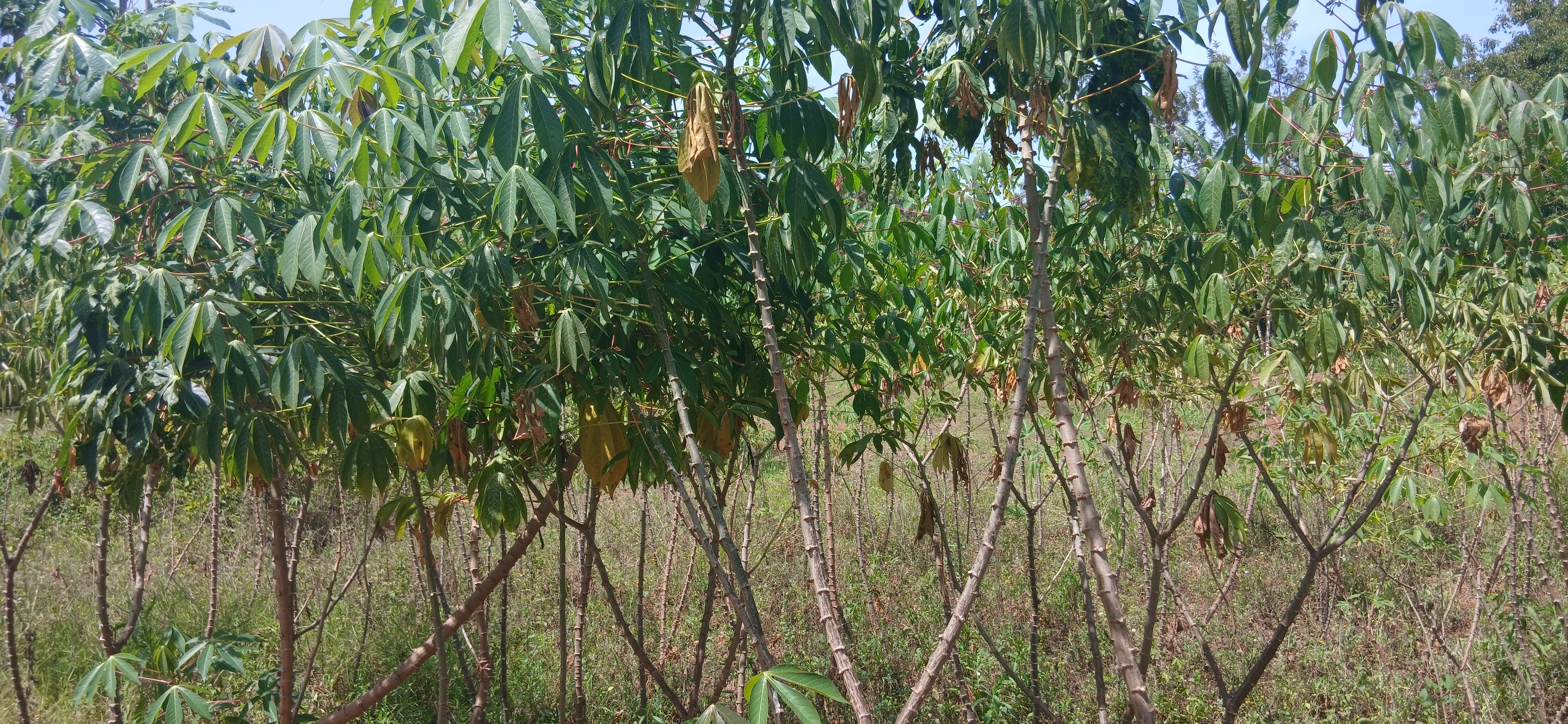
Distributed initial drought-resistant cassava cuttings to 12 farmers.
Conducted soil tests and land preparation training.
Documented plant growth stages and early climate performance.
Collected user feedback on labor needs, water usage, and crop performance.
Prototype Photos
Upload your images here (cassava fields, planting, training, processing, etc.)
User Feedback & Learnings
Farmers reported a 40% reduction in water needs compared to maize.
Users appreciated the dual-use nature of cassava (leaves + roots).
Demand for processed cassava flour and leaf powder is higher than expected.
Training needs are higher for processing than for planting.
Next Steps
Expand pilot to 50 farmers in vulnerable communities.